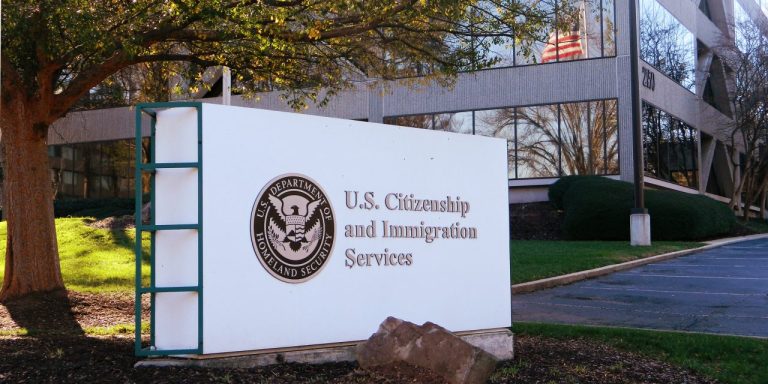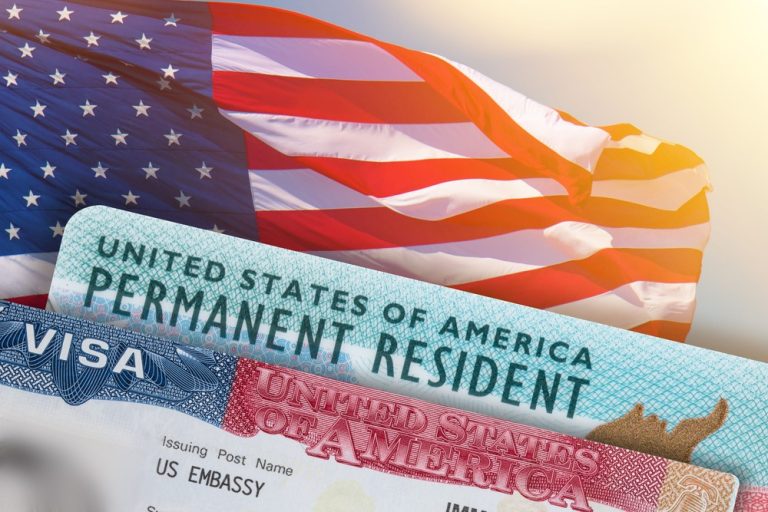

If you’re applying for a U.S. visa or adjustment of status, you’ve probably wondered whether immigration officers will scrutinize your Facebook photos, Instagram posts, or Twitter comments. USCIS doesn’t monitor everyone’s social media routinely, but they do have the authority to review your online activity in certain situations.
Does USCIS Review Social Media for Visa Applications?
Sometimes, USCIS does, but not always. USCIS has the legal authority to review publicly available social media content as part of background checks and fraud detection efforts. However, this doesn’t mean immigration officers are scrolling through every applicant’s Instagram feed.
USCIS Policy on Social Media Screening
In 2019, USCIS began collecting social media handles from certain visa applicants, particularly those applying for immigrant visas. The agency states that social media screening helps verify information provided in applications, identify potential security threats, and detect immigration fraud.
USCIS is most likely to review social media when there are inconsistencies in your application, when your case falls into a high-scrutiny category, or when preliminary background checks raise questions. Officers focus primarily on publicly accessible content—posts, photos, comments, and profile information that anyone can view without being your friend or follower.
What Types of Social Media Content Can Raise Red Flags?
Not all social media content is problematic for immigration purposes. USCIS focuses on posts and information that contradict your application or suggest potential fraud.
Inconsistencies Between Social Media and Immigration Forms
The most common obstacle that applicants encounter is when USCIS finds social media content that contradicts information on immigration forms. If you claim that you’re unemployed but your LinkedIn profile shows current employment, this discrepancy will cause USCIS to question the validity of your application. If you state that you’re single, but your Facebook status reads “married,” USCIS will likely investigate.
Travel history inconsistencies are another red flag. If your application indicates that you’ve never traveled to certain countries, but your Instagram shows geotagged photos in those locations, officers will question your credibility. Address discrepancies—claiming to live at one address while checking in regularly at another location—may also suggest misrepresentation.
Posts That May Suggest Immigration Fraud or Misrepresentation
Posts discussing plans to overstay a visa, work illegally, or enter into a marriage solely for immigration benefits are obvious red flags. USCIS has no sense of humor and will take even jokes about these topics seriously.
For marriage-based visa applications, USCIS pays special attention to whether the relationship appears genuine. If you’re applying based on marriage but your social media shows no photos together or continued romantic posts about someone else, officers may question the legitimacy of your marriage.
Which Visa Categories Are Most Likely to Face Social Media Review?
While USCIS can review the social media accounts of any visa applicant, certain categories receive more scrutiny.
Employment-Based, Student, and Marriage-Based Visas
Marriage-based visa applications are among those that USCIS scrutinizes most frequently because marriage fraud is a major concern. Officers routinely check social media to verify that relationships are genuine, looking for evidence of a shared life and relationship milestones that align with the application timeline.
Employment-based visa applications may be subject to social media review if there are questions about the legitimacy of the job offer or the applicant’s qualifications. USCIS might check the social media of student visa applicants if officers suspect that the applicant doesn’t intend to pursue genuine studies.
Visa categories with higher security concerns may also face more comprehensive social media screening as part of enhanced vetting procedures.
Should I Delete or Change My Social Media Before Applying?
This is one of the most common questions immigration attorneys hear, and the answer requires careful consideration.
Why Deleting Content Can Sometimes Create More Problems
Deleting social media posts or entire accounts after receiving notice of a USCIS review—or even just before filing—can appear suspicious. If USCIS has captured screenshots of concerning content already, officers may view the act of deletion as an attempt to conceal information.
This doesn’t mean that you should leave problematic content online. Rather, address social media concerns well before filing your application. If you have posts that clearly contradict information that you’ll be providing, consider whether you can correct the information on your forms rather than simply deleting posts.
If you’ve deleted content already and are concerned, consult with an immigration attorney before proceeding with your application.
How to Protect Yourself When Applying for a Visa
Rather than panicking about your social media presence, take practical steps to ensure that your online activity doesn’t jeopardize your immigration case.
Best Practices for Social Media and Immigration Applications
First, ensure consistency between your social media profiles and your immigration applications. Review all the information that you’ve provided in your visa application and compare it against your public social media profiles. Correct any discrepancies before submitting—either by updating your forms if you made an error or by updating outdated social media information.
Adjust your privacy settings. USCIS instructs all visa applicants for student visas in the F, M, and J categories and all H1B visa applicants and their dependents (H-4) to adjust the settings on their social media accounts to “public.”
Be honest in your application, even if the truth is complicated. If there are unusual circumstances—such as prior unauthorized work or complex travel history—it’s better to disclose these with a proper explanation than to omit this information and risk having social media posts that contradict your application surface later.
Consider conducting your own social media audit. Search for your name online, review your public posts from the past several years, and think critically about whether any content could be misinterpreted or contradict your application.
Finally, if you discover problematic content or inconsistencies, consult with an immigration attorney before filing. An experienced attorney can help you determine how to address these issues properly through additional documentation or explanatory statements.
Take Control of Your Immigration Case
If you’re concerned about inconsistencies between your social media activity and your planned visa application, or if you’ve posted content that might raise questions, don’t try to navigate this alone. An experienced immigration attorney can review your situation, advise you on the best approach, and help you present the strongest possible case to USCIS.