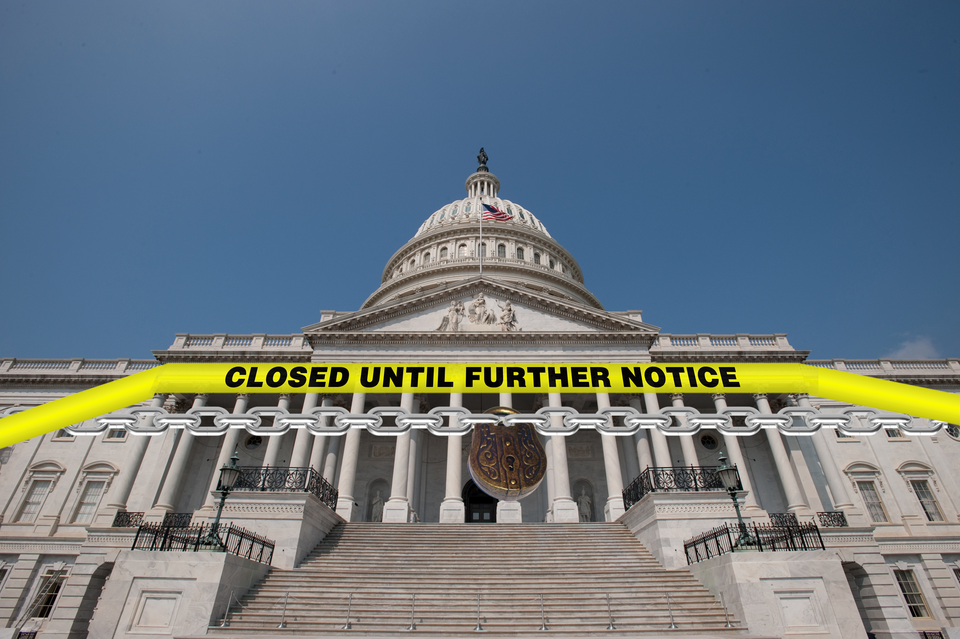
The United States government has been shut down since October 1st of 2025, just over a month now. If you have been thinking about applying or preparing to apply for a green card, you’re probably wondering: “Can I still apply for my green card? Can I get a work visa? Can I renew a visa or work permit?” These questions matter deeply because many people’s lives, jobs, and immigration futures are at stake.
We are going to review the real‐world impact of a government shutdown on immigration filings—including green cards, work visas, and renewals—and explain what you can do to keep moving forward with your application or maintain your status.
What Happens During a Government Shutdown?
First, a quick overview of how a government shutdown affects immigration agencies and what parts of the system remain operational.
A “shutdown” occurs when Congress fails to pass funding (an appropriations bill or continuing resolution) for federal agencies by a deadline. Certain agencies must cease non‐essential functions; others remain operational if they’re fee‐funded or designated “essential.”
When we look at immigration:
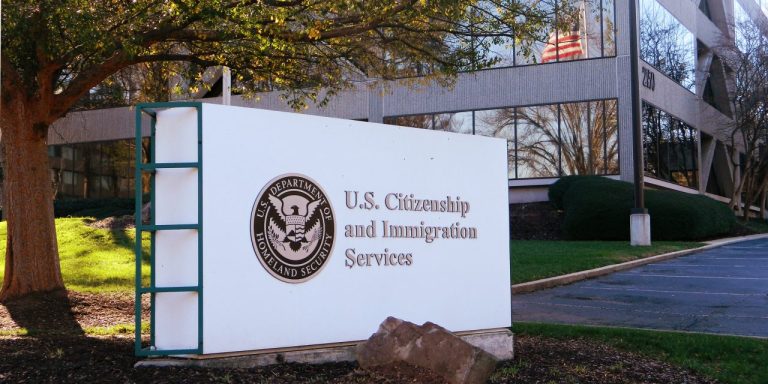
- The United States Citizenship and Immigration Services (USCIS) is primarily funded by application fees, meaning that in many cases, operations continue despite a shutdown.
- The United States Department of Labor (DOL), which handles labor certifications and certain employment‐based green cards, is more heavily affected because it relies on appropriated funding. During a shutdown, DOL may cease many immigration‐related functions.
- The United States Department of State (DOS), which conducts visa interviews abroad and visa stamping, often continues fee‐funded operations, though staffing and support may be limited.
In short: yes, you can often file for immigration benefits even during a shutdown, especially those handled by USCIS that don’t depend on DOL certification or other paused systems. But you may face delays, additional uncertainty, or restrictions depending on the type of application.
Can I Still File for My Green Card if the Government Is Shut Down?
Yes—but with caveats.
If you’re applying for a green card (adjustment of status via Form I-485) or another immigrant petition, you should check which part of the process you’re involved with:
- USCIS Filing (Adjustment of Status, Family‐based Green Cards, etc.) Many of these can still be filed because USCIS continues operations under its fee‐funded model. For example, homeowners, spouses, and parents may still file their I-485 applications.
- Cases Requiring DOL Certification (such as employment‐based green cards via PERM, LCAs, etc.) These are more at risk. Because the DOL may cease processing during a shutdown, filings that depend on DOL approval cannot move forward until funding is restored.
- Interviews, biometrics, and support services: USCIS has indicated that biometric appointments, interviews, and status checks will generally go ahead unless specifically postponed.
What to do:
- File as early as possible if you are in a category that is still operational (USCIS‐only).
- If your case depends on DOL certification, plan for potential delay and maintain a valid non-immigrant status in the meantime.
- Keep your contact information updated and monitor the status of your case online.
Can I Get a Work Visa if the Government Is Shut Down?
Yes, but there are a few important exceptions.
Work visas (non‐immigrant categories such as H-1B, L-1, etc.) often require multiple steps, including Labor Condition Applications (LCAs) certified by the DOL, employer petitions filed with USCIS, and sometimes an interview at a U.S. consulate abroad. During a shutdown:
- USCIS may continue to accept and adjudicate petitions for which all prerequisite certifications are already in place.
- DOL’s suspension of LCA and prevailing wage processing means new work visa filings that need those certifications will be on hold.
- At the State Department and U.S. consulates abroad, visa interviews may still proceed, but operational constraints could cause delays.
What to do:
- If your employer has already obtained the required documentation and your petition is ready, go ahead with your filing.
- If your hiring depends on a newly certified LCA or other DOL decision, expect delays and speak with legal counsel about your options.
- Maintain your current non‐immigrant status until your visa or petition is approved.
Can I Renew My Work Visa or Work Permit if the Government Is Shut Down?
This question often involves work permits such as an Employment Authorization Document (EAD) or visa extension for non‐immigrant status. The answer: mostly yes, but expect possible delays.
- USCIS continues to process many renewal applications because they are fee-funded.
- However, even if USCIS is still operational, other agencies may be slowed, and that can indirectly affect renewals. For example, background checks or other dependencies may slow down approvals.
- Programs such as E-Verify may be suspended during the shutdown. Although EAD renewals often do not rely solely on E-Verify, employers and employees may be impacted by broader delays.
What to do:
- File your renewal as early as allowed (USCIS often accepts renewals 180 days before expiration).
- Keep a record of your submission to show you filed timely in case of automatic delays.
- Maintain legal status and employment authorization while your case is pending.
- Consult an immigration attorney if any component of your renewal depends on a paused agency or function.
Additional Related Questions
What happens if my interview or biometrics appointment is scheduled during the shutdown?
In past shutdowns, USCIS has indicated that fee-funded services (including interviews) continue. If you receive a notice to attend an interview or biometrics appointment, you should assume it will go ahead unless you are officially notified otherwise.
Will my visa stamping or consular interview be cancelled?
Consular operations are generally fee-funded and may continue, but staffing reductions or limited resources could lead to slower appointment availability or delays. If you have an upcoming consular appointment, contact the embassy or consulate to confirm operations.
Why This Matters for You as an Immigrant or Employee
The bottom line is that while the government shutdown has created uncertainty, key immigration filings can still proceed. But because the system is interconnected (some functions depend on multiple agencies) you’ll want to:
- Act early and plan ahead
- Check which agency processes your particular filing
- Keep your status valid while waiting
- Keep good records and document your filings
- Stay informed and work with legal counsel if there’s any risk
Because your immigration future —and in many cases your ability to work— may rely on continuity in status, being proactive during a shutdown is crucial.