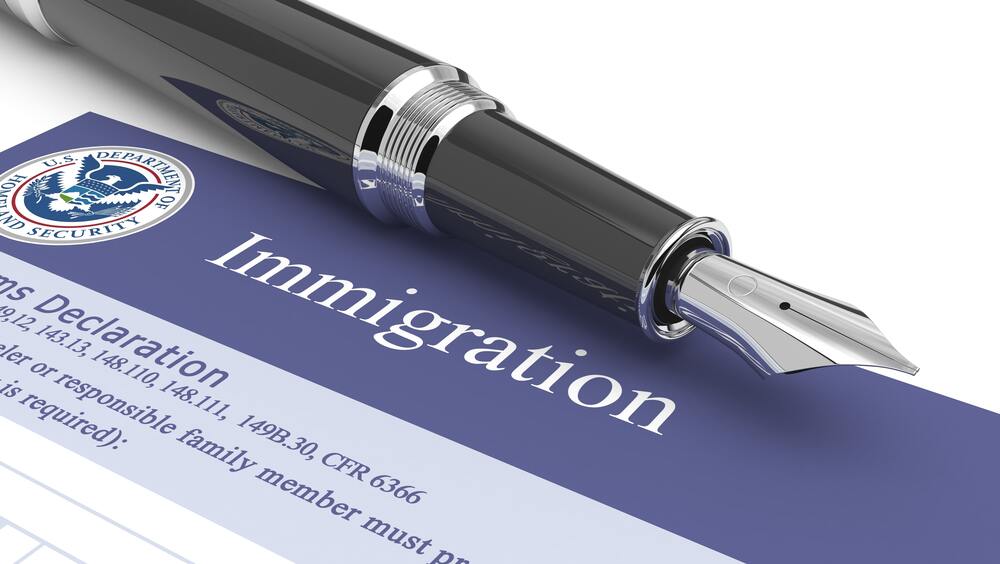
Deferred Action for Childhood Arrivals (DACA) has been a lifeline for thousands of young immigrants who grew up in the United States. However, although the program remains active for renewals, it is not without challenges. Every year, some applicants receive denials of their DACA renewals, which can be alarming and create uncertainty about their status and future.
If you are going through this situation, the most important thing is not to panic. A denial is not always the end of the road, and in many cases, legal solutions exist. In this article, we explain the most common reasons why a renewal may be denied, what steps you should take immediately, and why having an immigration lawyer can make a significant difference.
Why Can a DACA Renewal Be Denied?
Incomplete or Incorrect Information on Your Application
One of the most common reasons for denial is the presence of errors on the forms, incorrect dates, missing documents, or incomplete payments. Sometimes, something as simple as an unsigned form can lead to rejection.
Criminal History or Security Issues
Any arrest, conviction, or even certain minor charges can raise concerns for USCIS. Although not all criminal records disqualify an applicant, they can delay or prevent renewal if they are not properly explained.
Questions About Your Continuous Presence in the U.S.
If USCIS believes that you did not meet the original DACA requirements, such as having continuously lived in the country since the required date, it may issue a denial.
Immediate Steps After Receiving a Denial
Read the notice carefully—the letter will explain the specific reason for the denial. Gather your documentation before consulting an attorney: all submitted forms, copies of receipts, application notices, previous correspondence, and any relevant supporting evidence. Consult an immigration lawyer immediately if you do not fully understand the reason for the denial.
Can I Appeal a DACA Denial?
There is no formal appeal process, but there are alternatives: requesting a reconsideration, filing a new application with corrected documentation, or exploring alternative immigration options such as adjustment of status, special visas, or immigration waivers.
How Does a Denial Affect My Status and Work Permit?
If your renewal was denied but your current permit has not yet expired, you will remain protected under DACA until the date listed on your card. A denial does NOT mean automatic deportation unless there are serious factors involved. If your permit expires and you are unable to renew, you will lose your work authorization—acting quickly is crucial.
How Can a Lawyer Help If Your DACA Renewal Is Denied?
An immigration lawyer can determine whether the issue is a USCIS mistake, a technical error, a missing document, or something more serious. Many cases can be saved by providing stronger proof, such as school records, medical documents, proof of residence, and employment records. Many young people with DACA may also qualify for a U Visa, VAWA Visa, family-based petitions, adjustment of status through marriage, or consular processing with an I-601A waiver.
If your DACA renewal was denied, the most important thing is not to give up. An immigration lawyer can help you understand the reason for the denial, protect your rights, and find the best strategy to continue your life in the United States with safety and stability.