
Choosing the right immigration attorney can be the difference between a smooth path to residency and a costly, drawn-out nightmare. Unfortunately, the immigration space is also a common target for fraud — from unlicensed “notarios” posing as legal experts to attorneys who overpromise and underdeliver. Before you sign a retainer agreement or hand over sensitive documents, ask these seven essential questions.
1. Are You Licensed and in Good Standing With the State Bar?
This is the single most important question you can ask — and the easiest to verify. A legitimate immigration attorney must be licensed to practice law and in good standing with their state bar association.
How to verify: Ask for their bar number and state of licensure, then independently check it through your state bar’s online directory. Never take an attorney’s word for it — confirm it yourself.
Red flag: Anyone who hesitates to share their bar number, claims to be a “immigration consultant” or “notario” instead of a licensed attorney, or pressures you to skip this step entirely.
2. What Experience Do You Have With Cases Like Mine?
Immigration law is broad, covering everything from family petitions and employment visas to asylum claims and deportation defense. An attorney who specializes in work visas may not be the best fit for a removal proceeding, and vice versa.
Ask specifically:
- How many cases similar to mine have you handled?
- What was the general outcome?
- Do you have experience with my specific visa category or situation?
An attorney with direct, relevant experience will be able to speak confidently and specifically about your case type — not just general immigration concepts.
3. What Is Your Strategy for My Specific Situation?
Be wary of any attorney who gives you a strategy before fully reviewing your circumstances, or who offers a one-size-fits-all approach. A qualified attorney will ask detailed questions about your history, documentation, and goals before recommending a path forward.
Red flag: Guaranteed approvals or guaranteed timelines. No ethical attorney can promise a specific outcome from USCIS or a consulate — immigration law involves too many variables beyond their control. Guarantees are one of the most common signs of fraud.
4. What Are Your Fees, and What Do They Include?
Transparency around cost is critical. Before moving forward, make sure you understand:
- Is this a flat fee or hourly billing?
- What specific services are included (filing, document prep, interview representation)?
- Are government filing fees separate from attorney fees?
- What happens if my case requires additional work (e.g., a Request for Evidence)?
Red flag: Demands for large cash payments upfront with no written agreement, or fees that seem significantly lower than market rate — often a sign of an unlicensed provider cutting corners.
Always get your fee agreement in writing before paying anything.
5. How and How Often Will You Communicate With Me?
Immigration cases can take months or years, and staying informed about your case status matters — both for your peace of mind and for catching potential issues early.
Ask:
- Will I work directly with you, or primarily with paralegals/staff?
- How quickly can I expect a response to questions or concerns?
- Will you proactively update me on deadlines, biometrics appointments, or RFEs?
An attorney who is difficult to reach before you’ve even signed on is unlikely to improve once you’re a paying client.
6. Can You Provide References or Verified Reviews?
Past client experiences offer valuable insight into how an attorney actually operates — not just what they say in a consultation.
Look for:
- Verified reviews on a trusted directory or Google Business profile
- Client testimonials specific to your type of case
- Any disciplinary history or complaints filed with the state bar
Red flag: No online presence, no verifiable track record, or reviews that all read suspiciously generic or similar.
7. What Happens If My Case Is Denied?
Even strong cases can face denials due to factors outside anyone’s control. A trustworthy attorney will be upfront about this possibility and explain your options in advance — whether that’s an appeal, a motion to reopen, or pursuing an alternative pathway.
Red flag: An attorney who avoids this question entirely or insists denial “won’t happen” with their help. Honesty about risk is a sign of professionalism, not weakness.
Additional Fraud Warning Signs to Watch For
Beyond these seven questions, stay alert to these common red flags throughout the hiring process:
- Pressure to sign immediately or make rushed decisions
- Requests to sign blank forms or documents
- Promises that sound “too good to be true”
- Lack of a physical office or verifiable business address
- Refusal to put fee agreements in writing
If something feels off during your consultation, trust that instinct — there are plenty of qualified, ethical attorneys available, and you shouldn’t feel obligated to move forward with one who raises concerns.
Find a Verified Immigration Attorney You Can Trust
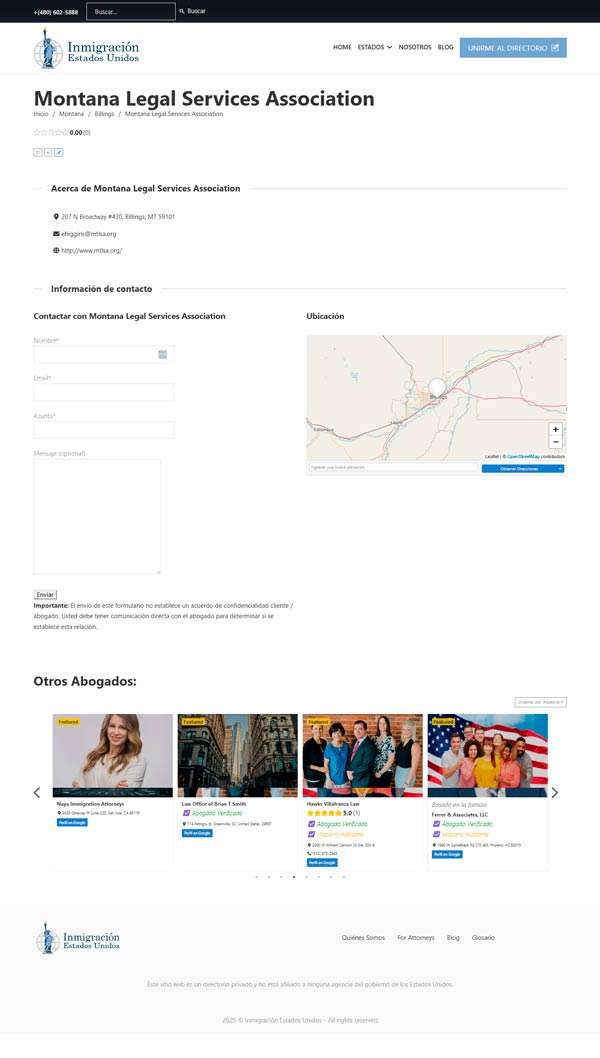
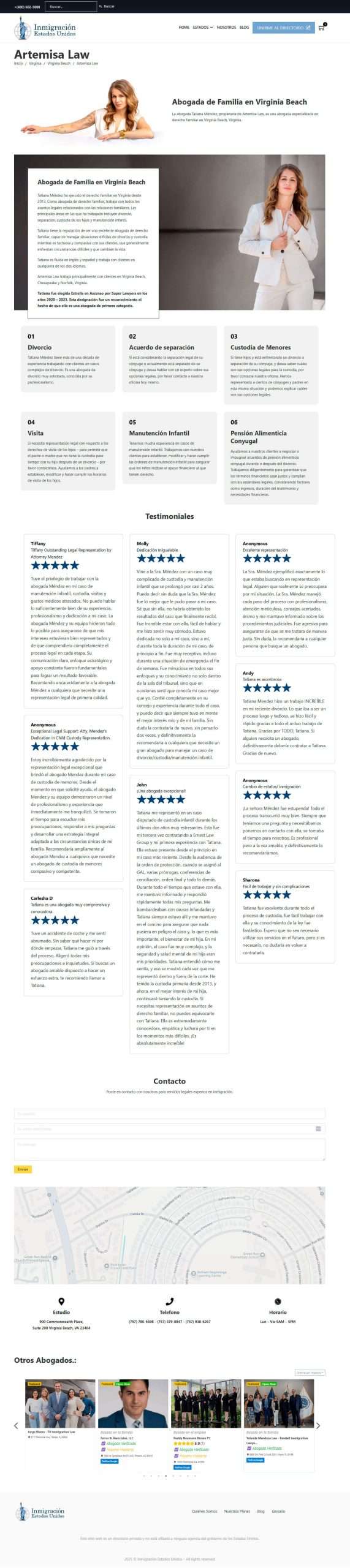
Vetting an attorney doesn’t have to be a guessing game. Our Immigration Lawyers Directory connects you with verified, licensed immigration attorneys across all 50 states — complete with profiles, Google reviews, and contact information so you can do your due diligence before ever picking up the phone.
Browse verified immigration attorneys in your state today and take the first step toward confident, informed legal representation.